
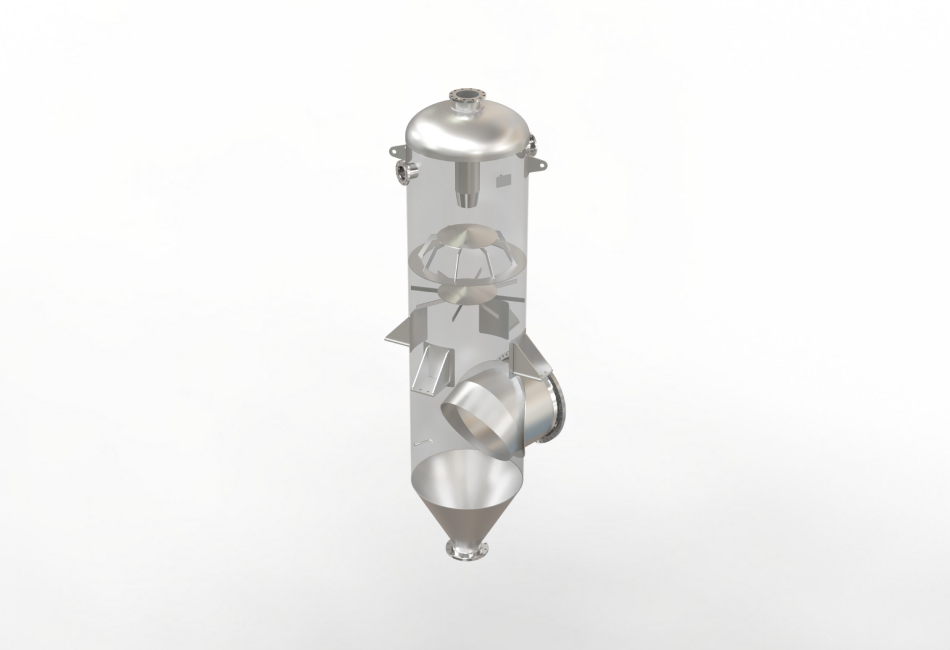
Barometric Condenser / Mixing condenser

Engineered for industries handling large volumes of steam with reliability and efficiency.
Mazda’s Barometric Condenser delivers powerful vacuum performance with low maintenance and long service life.

Barometric Condenser / Mixing condenser

Direct-contact condensation system that eliminates costly auxiliary pumps.
A smart, rugged, and energy-efficient solution for continuous-duty industrial operations.

Barometric Condenser / Mixing condenser

Product Overview

Mazda’s Barometric Condenser, also known as a mixing or contact type condenser, is a trusted solution for generating vacuum in processes dealing with large volumes of steam. By using direct contact between cooling water and steam, it achieves rapid condensation and efficient vacuum creation. Its unique barometric leg design eliminates the need for condensate pumps, reducing both capital costs and operational expenses. Built with robust materials to withstand demanding plant conditions, Mazda’s barometric condensers ensure dependable performance across sugar mills, chemical plants, distilleries, paper industries, and power stations. With decades of expertise in steam jet ejectors and vacuum systems, Mazda delivers condensers that combine simplicity, reliability, and long-term efficiency.

Advantages

  • Eliminates the need for condensate pumps, reducing costs.
  • Ensures years of dependable, low-maintenance operation.
  • Achieves energy savings with efficient condensation technology.
  • Trusted across sugar, chemical, paper, and power industries.
  • Rugged, simple design for reliable, trouble-free service.
  • Custom-engineered to meet process and performance needs.

In the barometric condenser, steam is directly contacted with cooling water, causing instant condensation and vacuum generation. The condensate and cooling water flow downward through a barometric leg into a hot well, eliminating the need for mechanical condensate pumps. This simple yet effective design ensures smooth, continuous operation with minimal energy consumption and maintenance.

Sugar Mills & Distilleries

In multi-effect evaporators, capturing and reusing waste steam after the final effect

Chemical & Fertilizer Plants

Steam recovery in drying and processing stages

Paper & Pulp Industry

Energy recycling in evaporation and concentration processes

Power Generation Units

In multi-effect evaporators, capturing and reusing waste steam after the final effect

General Process Industries handling steam and vacuum

Steam recovery in drying and processing stages

Barometric Condenser / Mixing Condenser - FAQs

What is a Barometric Condenser or Mixing Condenser?

A Barometric Condenser, also called a mixing or contact type condenser, is a direct-contact condensation system used to condense large volumes of steam while generating vacuum. It brings cooling water and steam into direct contact for rapid condensation.

How does a Barometric Condenser create vacuum?

Steam comes into direct contact with cooling water inside the condenser and rapidly condenses. This reduction in steam volume creates the vacuum required by the process.

How does a Barometric Condenser work without a condensate pump?

The system uses a barometric leg through which the condensate and cooling water flow downward into a hot well. This arrangement eliminates the need for mechanical condensate pumps.

What is the purpose of the barometric leg?

The barometric leg provides the downward flow path for condensate and cooling water from the condenser to the hot well. This design allows the system to operate without auxiliary condensate pumps.

What are the advantages of direct-contact condensation?

Direct contact between steam and cooling water enables rapid condensation and efficient vacuum creation. The simple arrangement also supports low-maintenance operation and reduced energy consumption.

Why does a Barometric Condenser eliminate the need for condensate pumps?

Because the condensed steam and cooling water discharge downward through the barometric leg into a hot well, mechanical condensate pumping is not required. This can reduce both capital and operating costs.

Where are Barometric Condensers used?

Barometric Condensers are used in processes handling large volumes of steam. Mazda Limited's Barometric Condensers serve applications in sugar mills, chemical plants, distilleries, paper industries, and power stations.

Is a Barometric Condenser suitable for continuous industrial operation?

Yes. The condenser is designed for continuous-duty industrial operations and features a rugged, simple construction intended to provide dependable and low-maintenance service.

How does a Barometric Condenser help reduce operating costs?

Its direct-contact condensation arrangement provides efficient condensation, while the barometric leg eliminates the need for condensate pumps. This can reduce equipment requirements, energy consumption, and maintenance needs.

Can a Barometric Condenser be customized for different process requirements?

Yes. Mazda Limited's Barometric Condensers are custom-engineered to meet process and performance needs, allowing the condenser design to be adapted to the requirements of different industrial applications.

<< 1 >>


For any inquiries or assistance, our team is ready to offer professional support and guidance. Reach out to us, and we will respond promptly to meet your needs.

Request a Demo – Share Your Info
