
-
Single-Stage vs. Double-Stage Liquid Ring Vacuum Pumps: Key Differences, Benefits and Applications
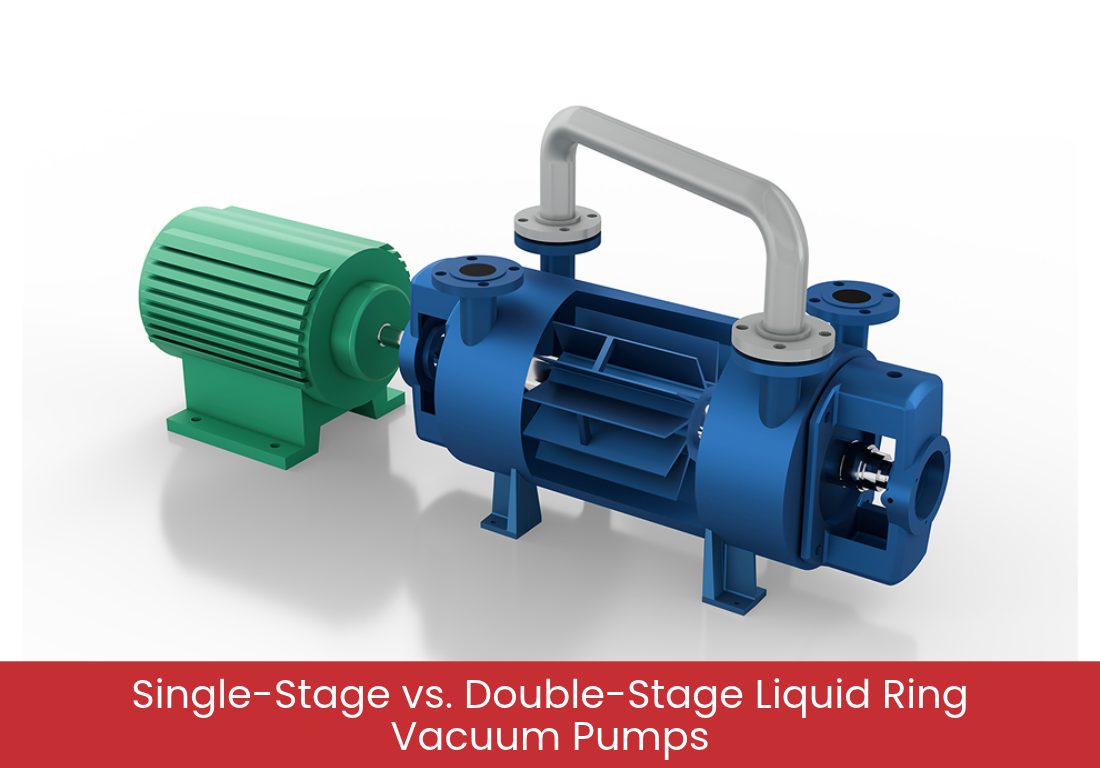
Quick Read Single-stage liquid ring vacuum pumps compress gas in one stage. They suit applications whose vacuum and capacity requirements fall within their operating range. Two-stage (double-stage) liquid ring vacuum pumps compress gas in two successive stages and can achieve deeper vacuum levels. An air ejector combination can extend a liquid ring pump’s vacuum range…
-
Understanding Feedwater Heaters: Types, Working Principle and Industrial Applications
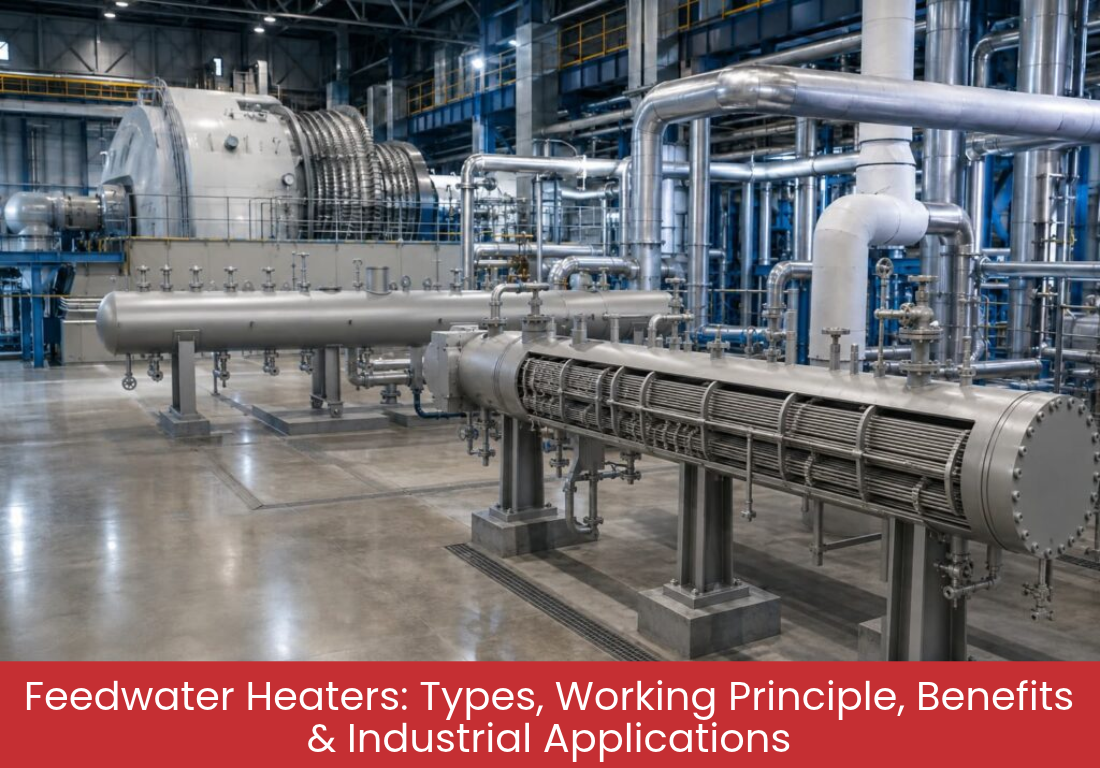
Quick Read Feedwater heaters use steam or another suitable heat source to raise the temperature of boiler feedwater before it enters the boiler or steam generator. High-pressure (HP) and low-pressure (LP) feedwater heaters operate at different points in the steam-water cycle to support regenerative heating. Feedwater preheating helps reduce the additional heat required in the…
-
What Is a Steam Jet Ejector and How Does It Work? Working Principle, Components and Applications
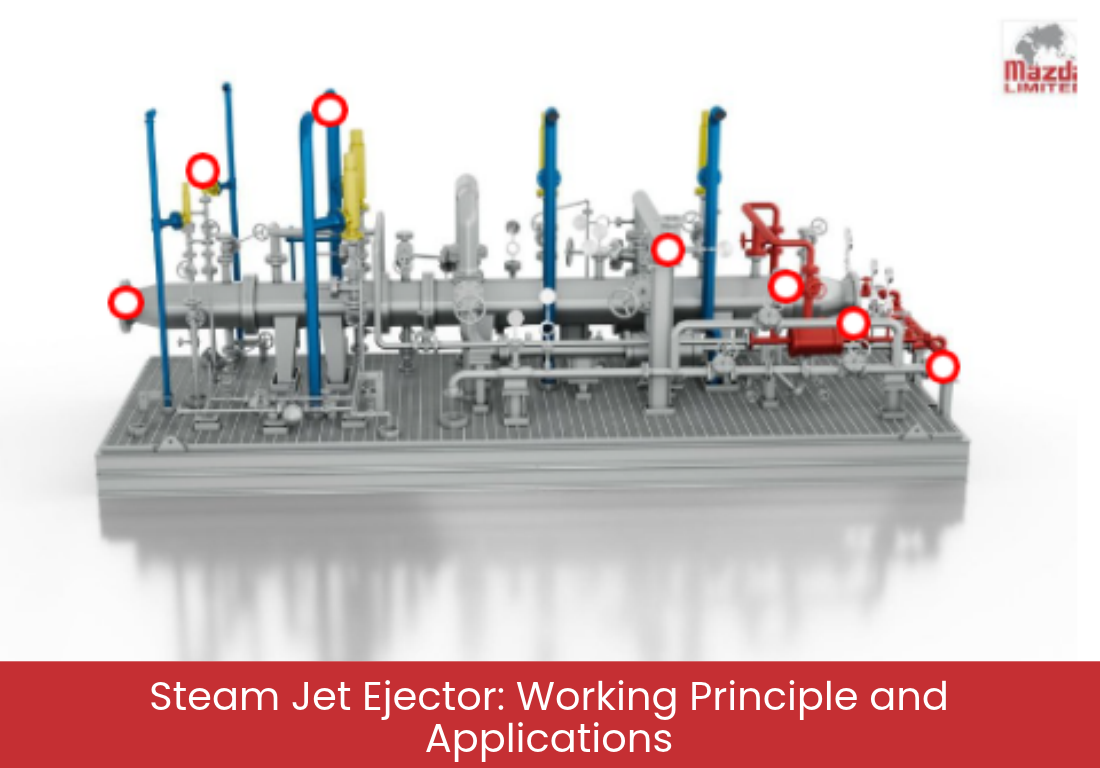
Quick Read A steam jet ejector uses high-pressure steam to create a vacuum and remove air, gases or vapours from process equipment. It works by converting steam pressure energy into velocity through a nozzle. A diffuser then recovers that velocity energy as pressure. Single-stage and multi-stage configurations are selected according to the required vacuum level…
-
Packed Tower Scrubber as a Pollution Control Device: Working Principle, Design and Benefits
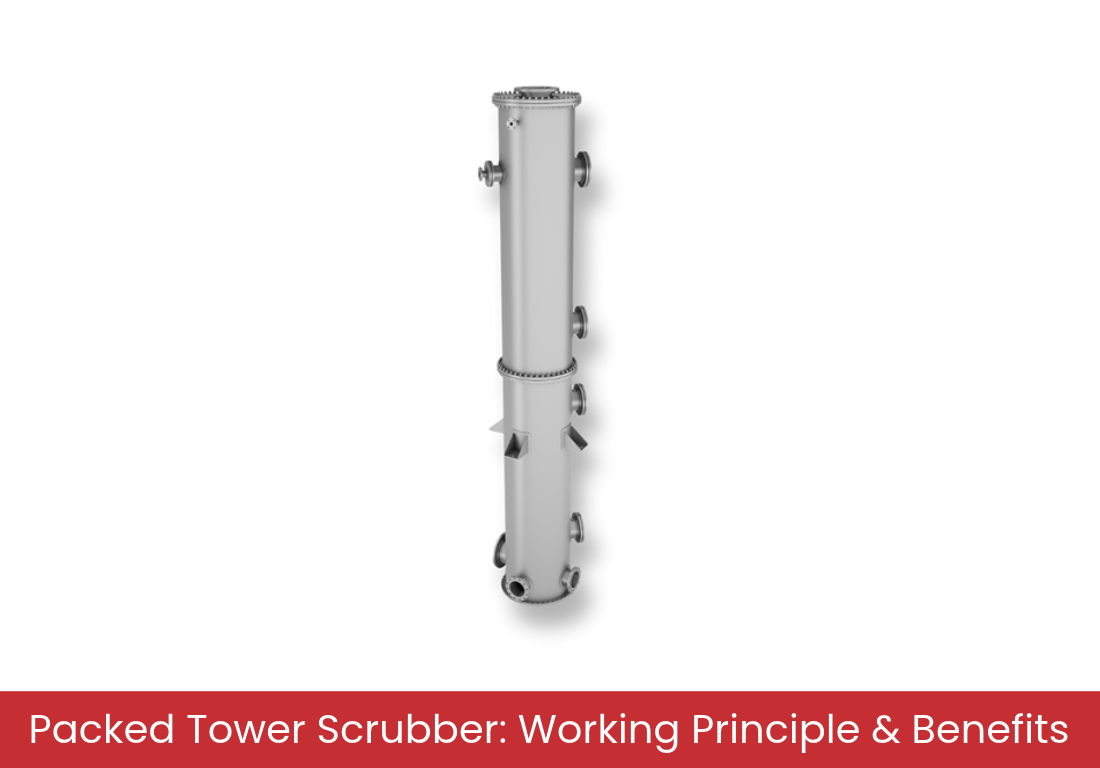
Quick Read A packed tower scrubber is an air pollution control device that removes pollutants and process gases from a gas stream by bringing it into close contact with a scrubbing liquid. It works on a countercurrent principle: gas flows upward through a packed bed while scrubbing liquid flows downward over the packing. A mist…
-
Air Pollution Scrubber: Different Types, Efficiency & Selection
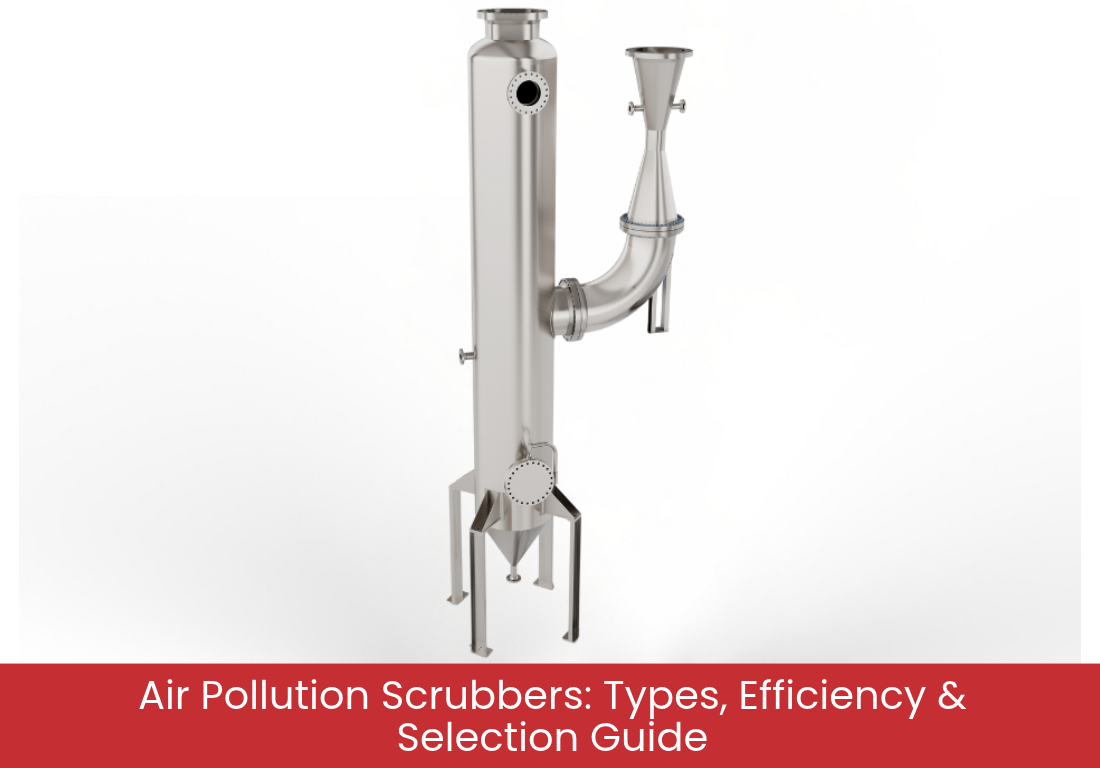
Quick Read An air pollution scrubber removes contaminants such as gases, fumes, vapours, odours and particulates from industrial gas streams by bringing them into contact with a scrubbing liquid. The three main types are Packed Tower Scrubbers, Jet Venturi Fume Scrubbers and High Energy Venturi Scrubbers. They differ in how gas and liquid are brought…
-
Different Types of Air Pollution Control Equipment: How They Work and Where Each Fits
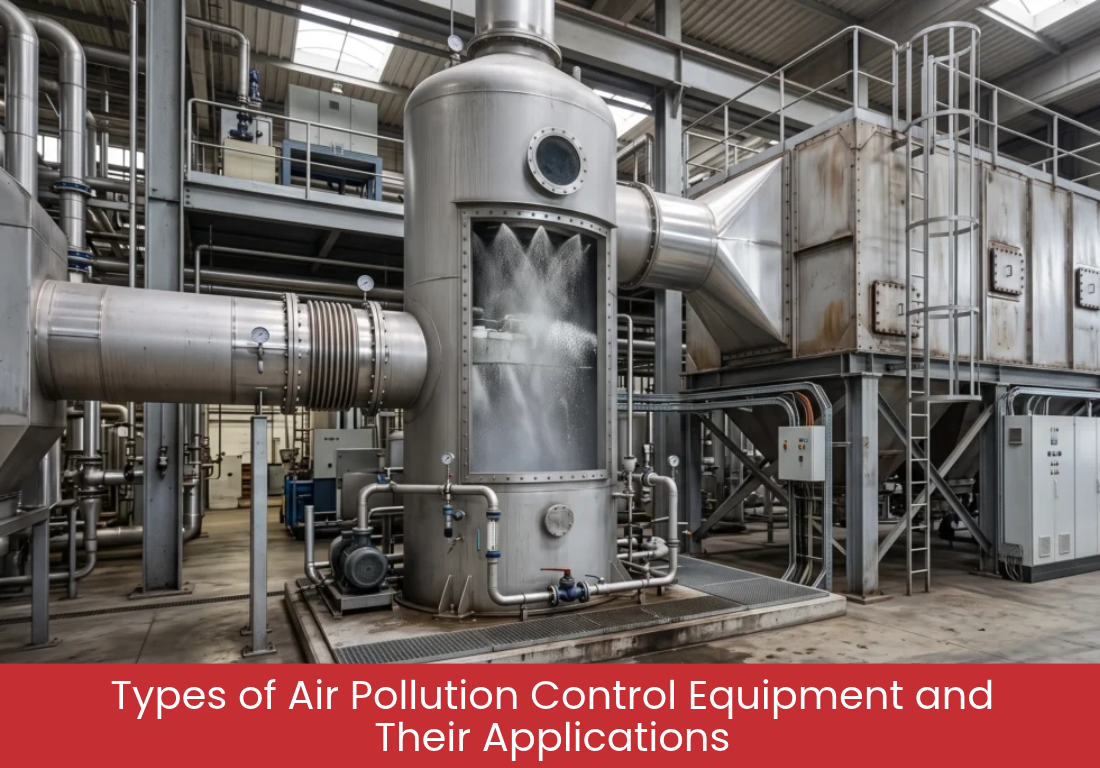
Quick Read Air pollution control equipment falls into two broad groups. Wet scrubbers use a scrubbing liquid to capture contaminants. Wet electrostatic precipitators (WESPs) use a high-voltage electrical field. Jet Venturi Fume Scrubbers handle high volumes of contaminated gas, including corrosive gases such as SO₂, HCl, HF, NH₃ and SiF₄, with dust and particulate removal…
-
Venturi Scrubber vs. Packed Tower Scrubber: Which Air Pollution Control Solution Do You Need?
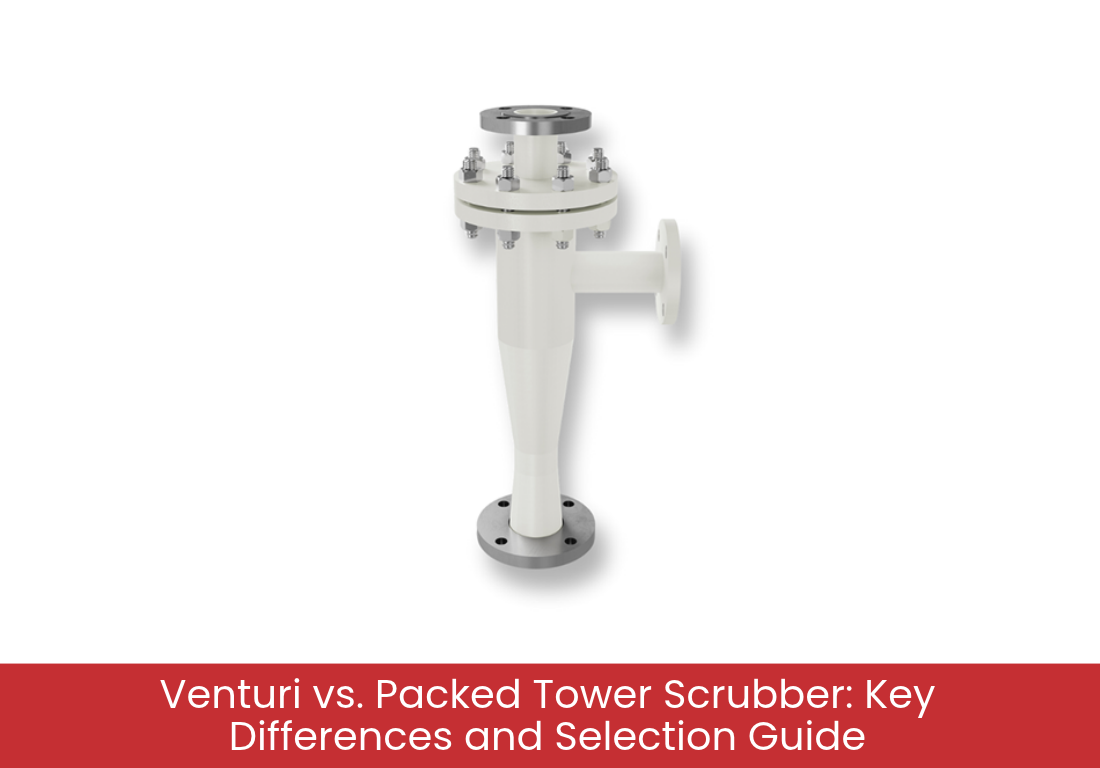
Quick Read Venturi scrubbers and packed tower scrubbers are both wet scrubbers used for air pollution control, but they bring gas and scrubbing liquid together in very different ways. “Venturi scrubber” covers two distinct designs. In a Jet Venturi Fume Scrubber, a high-pressure liquid spray draws the gas in. In a High Energy Venturi Scrubber,…
-
Liquid Ring Vacuum Pump Working Principle: Components, Operation and Industrial Applications
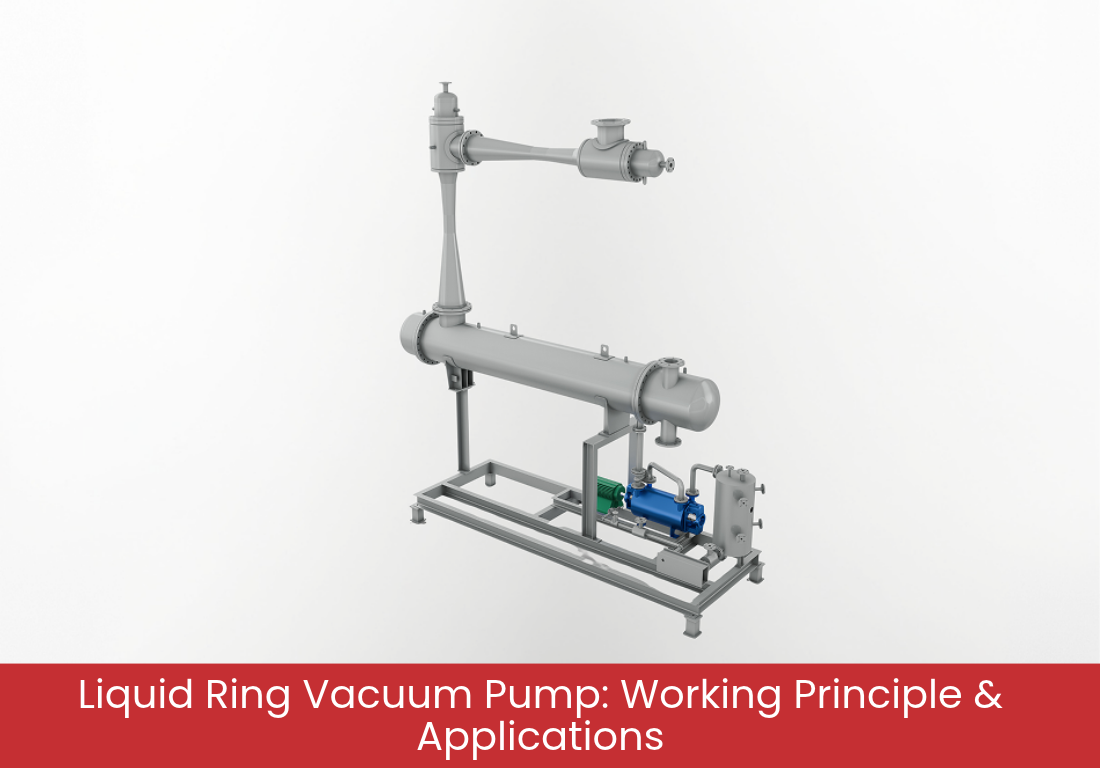
Quick Read A liquid ring vacuum pump uses a rotating impeller and sealing liquid to create vacuum by drawing in, compressing, and discharging gases. Its working principle involves four key stages: liquid ring formation, gas suction, gas compression, and gas discharge. Single-stage and double-stage liquid ring vacuum pumps serve different vacuum requirements depending on process…
-
How Thermo Compressors Improve Steam Economy in Evaporation Plants
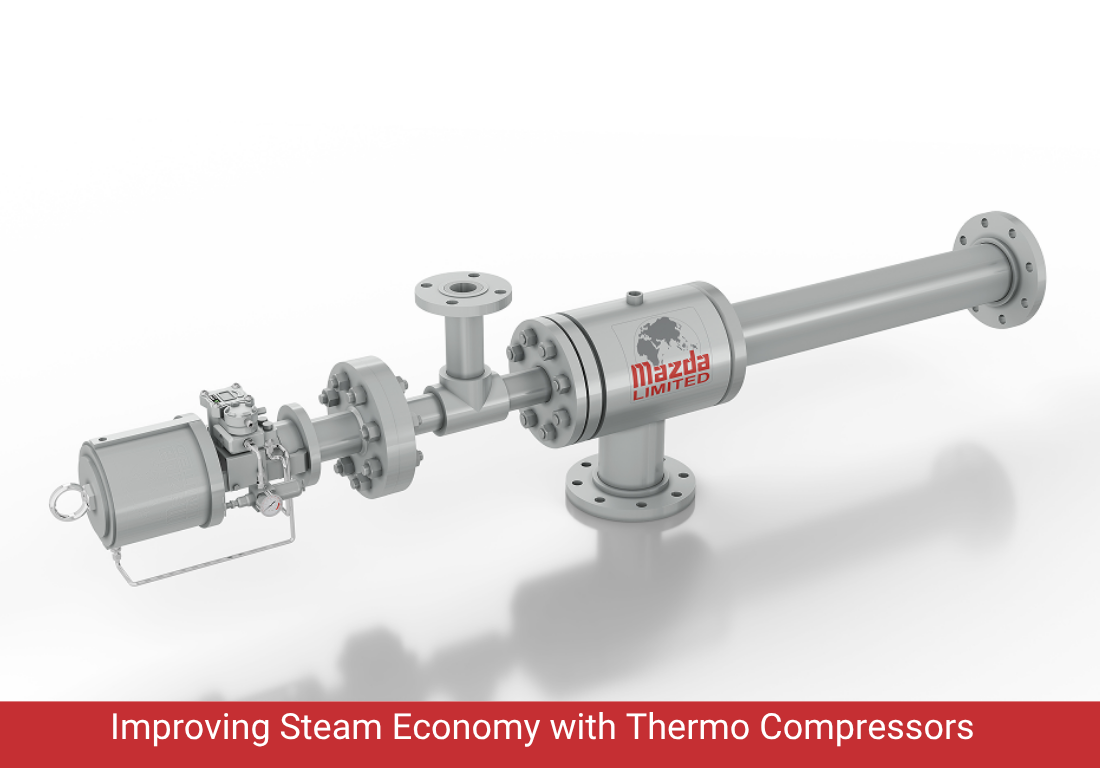
A thermo compressor uses high-pressure motive steam to recompress lower-pressure steam, raising its pressure and temperature so it can be reused as heating steam instead of being discharged. This is the core mechanism behind Thermal Vapor Recompression (TVR) evaporators, and it reduces the fresh, boiler-supplied steam needed for a given evaporation duty. It has no…
-
Understanding Zero Liquid Discharge (ZLD): How MEE, MVR, and ATFD Work Together
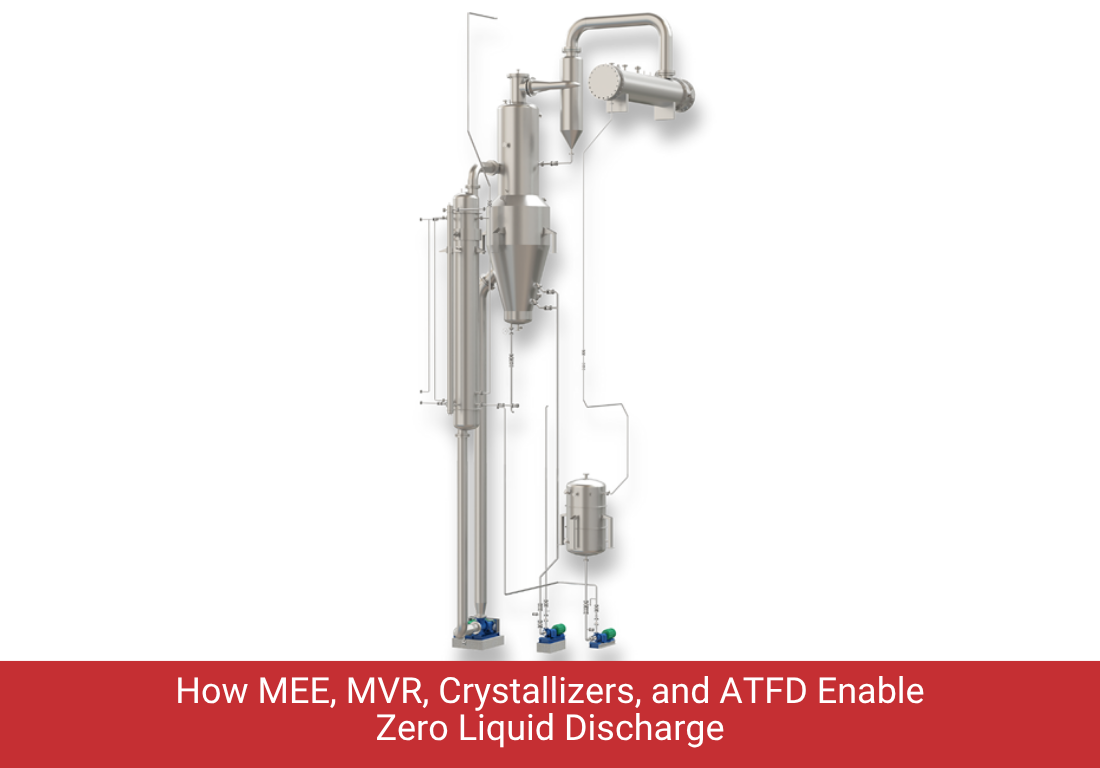
Zero Liquid Discharge (ZLD) is a wastewater treatment approach designed so that no liquid effluent leaves a plant. It’s typically achieved through a three-stage process train: an evaporator (MEE or MVR) removes the bulk of the water; a crystallizer (such as an OSLO Crystallizer) recovers dissolved solids as controlled crystals; and a dryer (such as…